
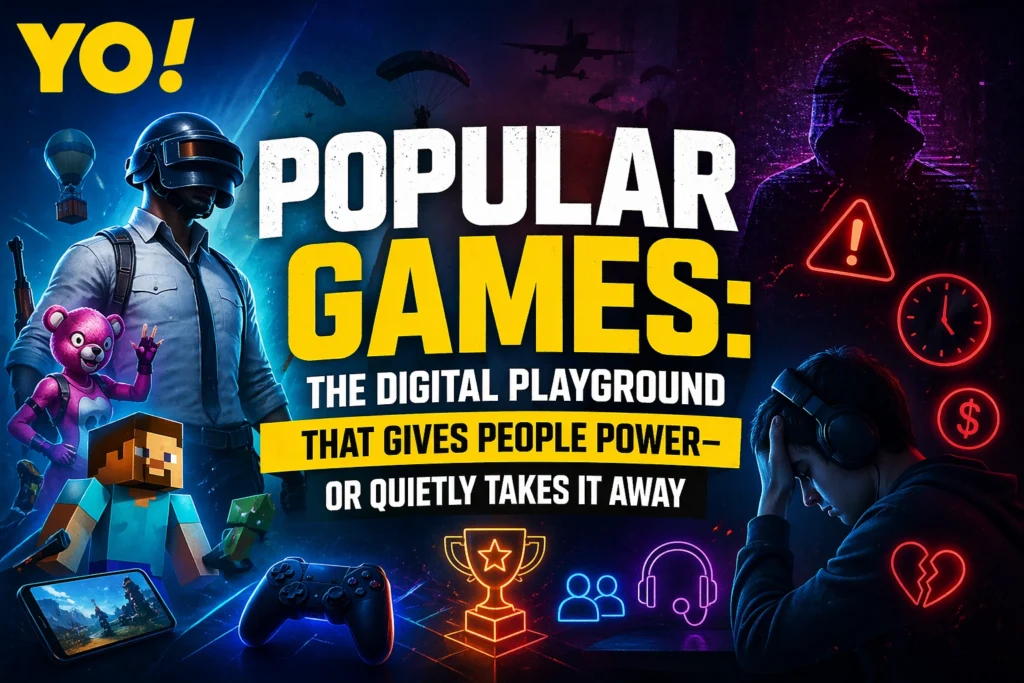
Introduction: The Expanding Universe of Popular Games
The world of popular games has rapidly evolved into one of the most influential forms of entertainment in the digital age. What once started as simple, pixel-based experiences has now transformed into vast, immersive universes that attract millions of players daily. From competitive online battles to story-driven adventures, popular games have become a central part of modern lifestyle and culture.
Today, popular games are not just about playing—they are about connecting, competing, and expressing identity in virtual spaces. With the rise of high-speed internet, mobile gaming, and global multiplayer platforms, gaming has broken geographical boundaries and created a shared digital playground for people of all ages.
However, this massive growth comes with a dual impact. While popular games offer excitement, skill development, and social interaction, they also raise concerns about addiction, screen time, and mental well-being. Understanding this balance is essential to fully grasp the true influence of popular games in today’s online gaming world.
As we dive deeper, this article will explore how popular games shape behavior, culture, and the future of entertainment—revealing both their powerful advantages and their hidden challenges.
The Rise of Popular Games in the Digital Era
The journey of popular games from simple entertainment to a global powerhouse is nothing short of extraordinary. Over the years, gaming has shifted from being a limited indoor activity to a massive digital industry that rivals movies and music combined. This rise has been fueled by rapid technological advancements, increased internet accessibility, and a growing demand for interactive experiences.
In earlier times, games were restricted to arcades or basic home consoles with minimal graphics and gameplay options. Today, popular games feature ultra-realistic visuals, complex storylines, and dynamic multiplayer environments that keep players engaged for hours. The introduction of smartphones has played a major role in this transformation, putting games directly into the hands of billions of users worldwide.
Another key factor behind the rise of popular games is online connectivity. Multiplayer gaming has redefined how people interact, allowing players to compete and collaborate with others across the globe in real time. This has turned gaming into a social experience rather than just an individual pastime.
Streaming platforms and content creation have further accelerated the popularity of games. Watching others play has become just as engaging as playing itself, creating a new form of digital entertainment. This has also opened doors for gamers to build careers as streamers, influencers, and esports professionals.
However, this rapid growth has also intensified competition among developers. To stay relevant, companies continuously update their games with new features, events, and rewards. While this keeps players engaged, it also raises concerns about overconsumption and the pressure to stay constantly connected.
The rise of popular games reflects a broader shift in how people choose to spend their time. Gaming is no longer just a hobby—it is a cultural force shaping entertainment, communication, and even identity in the digital era.
Why Popular Games Capture Massive Attention
The widespread appeal of popular games is not accidental—it is carefully shaped by design, psychology, and human behavior. These games are built to keep players engaged, motivated, and constantly coming back for more. Understanding why they attract such massive attention reveals both their brilliance and their potential risks.
One of the strongest factors is the sense of achievement. Popular games are structured around goals, rewards, and progression systems. Every small win—whether it’s leveling up, unlocking a new item, or completing a mission—creates a feeling of success that players naturally want to repeat. This cycle of reward keeps engagement levels high.
Another major reason is escapism. In a world filled with stress, responsibilities, and routine, popular games offer an alternate reality where players can take control, explore new identities, and experience freedom. Whether someone becomes a warrior, strategist, or creator, the ability to step into a different role is deeply appealing.
Social interaction also plays a powerful role. Modern popular games are not just about gameplay—they are about community. Players form teams, join clans, and build friendships that often extend beyond the game itself. For many, gaming becomes a primary way to connect with others.
Competition further fuels attention. Leaderboards, rankings, and tournaments create a strong desire to improve and outperform others. This competitive edge pushes players to invest more time and effort, making the experience more intense and rewarding.
Additionally, constant updates and limited-time events create urgency. Players feel the need to stay active so they don’t miss out on exclusive rewards or experiences. This “fear of missing out” keeps engagement continuous and often addictive.
While these elements make popular games exciting and immersive, they also highlight why moderation is important. The same features that attract players can, if unchecked, lead to excessive involvement and dependency.
In the end, popular games capture attention because they tap directly into human emotions—achievement, connection, competition, and curiosity—making them one of the most compelling forms of entertainment today.
The Positive Impact of Popular Games

While popular games are often criticized, their positive impact on individuals and society is significant when they are played responsibly. Beyond entertainment, these games contribute to mental development, creativity, and even career growth in ways that were unimaginable a few decades ago.
One of the most notable benefits is cognitive enhancement. Many popular games require strategic thinking, quick decision-making, and problem-solving skills. Players learn to analyze situations, adapt to challenges, and make fast yet effective choices—skills that are valuable in real-life scenarios as well.
Popular games also encourage creativity and imagination. Open-world and sandbox-style games allow players to build, design, and experiment freely. This creative freedom not only makes gameplay more enjoyable but also nurtures innovative thinking and self-expression.
Another important advantage is stress relief. Engaging in a game can provide a mental break from daily pressures, helping players relax and recharge. For many people, gaming serves as a safe space to unwind and temporarily disconnect from real-world stress.
Social benefits are equally important. Popular multiplayer games connect people from different backgrounds, enabling communication, teamwork, and collaboration. Friendships formed through gaming communities often become meaningful and long-lasting.
In addition, the rise of the gaming industry has created new career opportunities. From professional esports players to game developers, streamers, and content creators, popular games have opened doors to diverse professions. What was once seen as just a pastime is now a legitimate career path for many.
Educational value is another overlooked benefit. Certain games improve hand-eye coordination, memory, and learning abilities. Some are even designed specifically to teach concepts in an engaging and interactive way.
However, these benefits depend on balanced usage. When approached with discipline and awareness, popular games can be more than just entertainment—they can be tools for growth, learning, and connection in the digital age.
The Dark Side of Popular Games
Despite their many advantages, popular games also come with serious drawbacks that cannot be ignored. When gaming shifts from a controlled activity to an excessive habit, its negative effects begin to surface—impacting physical health, mental well-being, and daily life.
One of the most concerning issues is addiction. Popular games are intentionally designed to keep players engaged through rewards, challenges, and continuous progression. This can lead to long gaming sessions where players lose track of time and struggle to disconnect. Over time, this behavior may interfere with studies, work, and personal responsibilities.
Physical health is another area of concern. Spending extended hours in front of screens can cause eye strain, headaches, and poor posture. A sedentary lifestyle associated with excessive gaming may also contribute to long-term health problems if not balanced with physical activity.
Mental health challenges are equally important. Highly competitive environments in popular games can lead to frustration, stress, and anxiety. Players may feel pressure to perform, maintain rankings, or keep up with others, which can negatively affect their emotional state.
Toxic behavior within gaming communities is another issue. Online interactions sometimes include harassment, bullying, or negative communication, which can create an unhealthy environment—especially for younger players.
Financial risks are also increasing in modern gaming. Many popular games include in-game purchases, encouraging players to spend money on virtual items, upgrades, or exclusive content. Without awareness and control, this can lead to unnecessary or excessive spending.
Perhaps the most subtle danger is the impact on real-life relationships and productivity. When gaming becomes a priority over social interaction, family time, or personal goals, it can create imbalance and isolation.
The dark side of popular games does not mean they are inherently harmful—it highlights the importance of mindful usage. Recognizing these risks is the first step toward enjoying games without letting them take control.
The Role of Technology in Shaping Popular Games
The explosive growth of popular games would not have been possible without rapid advancements in technology. From graphics and processing power to internet speed and artificial intelligence, technology has completely redefined how games are created, experienced, and consumed.
One of the most noticeable changes is in visual quality. Modern popular games feature highly realistic graphics, detailed environments, and lifelike character animations. These elements create immersive worlds that feel almost real, pulling players deeper into the gaming experience.
Artificial intelligence (AI) has also transformed gameplay. Smarter non-player characters (NPCs), adaptive difficulty levels, and dynamic environments make games more challenging and engaging. AI ensures that no two gaming experiences feel exactly the same, keeping players interested over time.
Another major development is online connectivity. High-speed internet has enabled seamless multiplayer experiences, allowing players to connect, compete, and collaborate in real time. This has turned popular games into global platforms where millions interact simultaneously.
Emerging technologies like virtual reality (VR) and augmented reality (AR) are pushing immersion even further. Players can now physically interact with digital environments, making gaming more interactive and intense than ever before.
Cloud gaming is another game-changer. It allows players to access high-quality popular games without needing expensive hardware. This has made gaming more accessible, expanding its reach to a broader audience.
Mobile technology has also played a crucial role. Smartphones have brought popular games into everyday life, allowing people to play anytime and anywhere. This convenience has significantly increased user engagement across all age groups.
However, these technological advancements also contribute to increased screen time and deeper immersion, which can make it harder for players to disconnect. As technology continues to evolve, the challenge will be balancing innovation with user well-being.
In essence, technology is the backbone of popular games—driving their growth, enhancing their appeal, and shaping the future of the online gaming world.
The Psychology Behind Popular Games
The success of popular games is deeply rooted in psychology. Game developers don’t just create entertainment—they design experiences that tap into human emotions, behavior patterns, and decision-making processes. This is what makes popular games so engaging, and at times, difficult to put down.
One of the most powerful psychological elements is the reward system. Games are structured to provide frequent rewards—points, upgrades, achievements, or virtual items. These rewards trigger a sense of satisfaction and motivate players to continue playing. The brain begins to associate gaming with pleasure, reinforcing the habit.
Progression mechanics also play a crucial role. Levels, ranks, and skill upgrades give players a clear sense of growth. Even small improvements feel meaningful, encouraging players to invest more time to reach the next milestone.
Another key factor is social validation. Many popular games include leaderboards, rankings, and public achievements. These features create a sense of recognition and status among peers. Players feel motivated not only by personal success but also by how they are perceived by others.
The concept of “fear of missing out” (FOMO) is widely used in modern games. Limited-time events, seasonal rewards, and exclusive content push players to stay active so they don’t miss opportunities. This creates urgency and keeps engagement levels high.
Challenge and difficulty balance are also carefully designed. Games are neither too easy nor too hard. This balance keeps players in a state of focus and excitement, often referred to as being “in the zone.”
However, these psychological strategies can have downsides. When overused, they may lead to compulsive behavior, making it harder for players to step away. What starts as entertainment can gradually turn into dependency.
Understanding the psychology behind popular games helps players become more aware of their habits. It allows them to enjoy gaming while maintaining control—ensuring that the experience remains fun rather than overwhelming.
Popular Games and Youth Culture
The influence of popular games on youth culture is stronger today than ever before. For many young people, gaming is not just a hobby—it is a central part of their identity, social life, and daily routine. From school discussions to online communities, popular games shape how the younger generation communicates, interacts, and spends their time.
One of the most visible impacts is on social behavior. Multiplayer popular games allow young players to connect with friends and meet new people from around the world. These interactions often build teamwork, communication skills, and a sense of belonging. For some, gaming communities become as important as real-life social circles.
Popular games also influence trends, language, and digital expression. Gaming slang, memes, and references frequently become part of everyday conversations among youth. This shared culture creates a strong sense of connection but can also blur the line between virtual and real-world interactions.
On the positive side, gaming can enhance important skills in young players. Fast-paced games improve reflexes and coordination, while strategy-based games develop critical thinking and decision-making abilities. Many games also encourage creativity, especially those that involve building or designing virtual environments.
However, there are challenges that come with this influence. Increased screen time is a major concern, as young players may spend long hours gaming at the expense of studies, physical activity, or sleep. This imbalance can affect academic performance and overall health.
Exposure to online environments also carries risks. Some gaming communities may include toxic behavior, inappropriate language, or negative influences that can impact young minds. Without proper guidance, players may struggle to navigate these situations.
Parental involvement and awareness play a crucial role in managing these effects. Setting boundaries, encouraging balanced routines, and choosing age-appropriate popular games can help ensure a healthier gaming experience.
Ultimately, popular games are shaping a new generation—one that is digitally connected, interactive, and constantly evolving. The key lies in guiding this influence in a way that supports growth while minimizing potential harm.
The Business of Popular Games
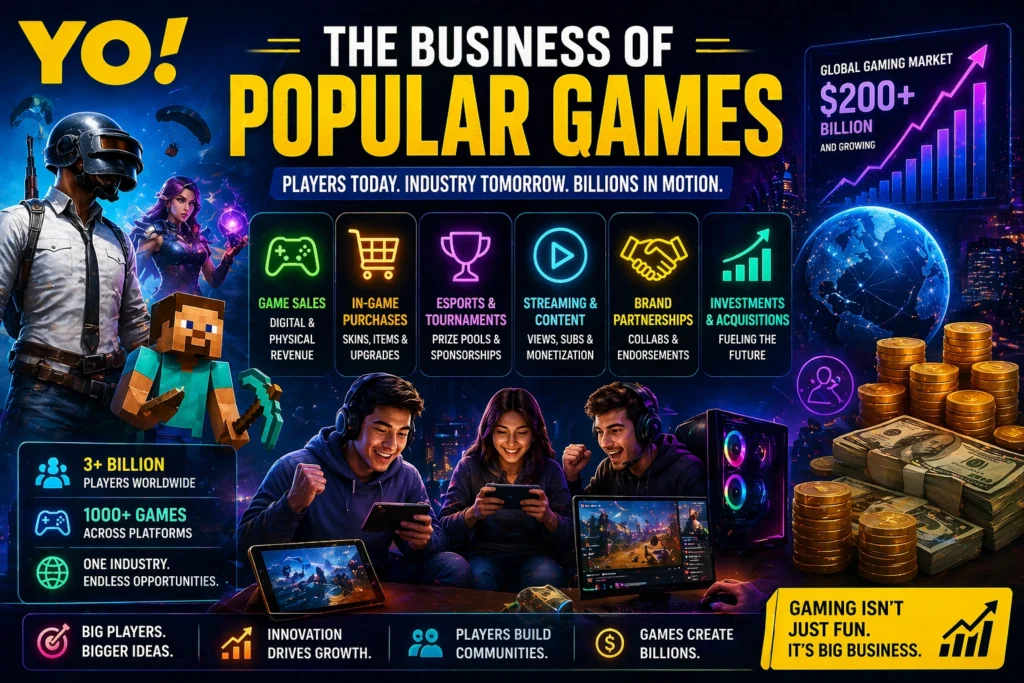
Behind the entertainment and excitement of popular games lies a powerful and rapidly growing industry. The gaming business has evolved into one of the most profitable sectors in the world, surpassing traditional forms of entertainment like movies and music. This financial success is driven by innovative models, global reach, and continuous player engagement.
Game developers and companies generate revenue through multiple streams. Initially, games were sold as one-time purchases, but today’s popular games often follow more complex models. Free-to-play games, for example, attract massive audiences by removing the entry barrier, then monetize through in-game purchases, subscriptions, and premium content.
Microtransactions have become a central part of this ecosystem. Players can buy virtual items such as skins, upgrades, or exclusive features. While these purchases are optional, they are often designed to enhance gameplay or provide a competitive edge, encouraging players to spend more over time.
Another major driver of revenue is live services. Developers regularly update popular games with new content, seasonal events, and challenges. This keeps players engaged for longer periods and ensures a steady flow of income. Instead of a one-time experience, games are now ongoing platforms.
The rise of esports has further expanded the business side of popular games. Competitive gaming tournaments attract millions of viewers and offer significant prize pools. Sponsorships, advertising, and media rights have turned esports into a professional and highly lucrative field.
Content creation is another growing segment. Streamers and gaming influencers generate income through ads, donations, and brand partnerships. Popular games provide the foundation for this entire creator economy.
However, this business model also raises ethical concerns. The heavy focus on monetization can sometimes prioritize profit over player experience. Features that encourage spending or prolonged engagement may lead to unhealthy habits or financial strain for some players.
In the end, the business of popular games is a double-edged sword. It fuels innovation, creates opportunities, and drives the industry forward—but it also requires responsible practices to ensure that players are not exploited in the process.
Finding Balance in the World of Popular Games
In a world where popular games are easily accessible and highly engaging, maintaining balance has become more important than ever. While gaming can be enjoyable and beneficial, excessive involvement can quickly turn it into a disruptive habit. The key lies in conscious and controlled participation.
One of the most effective ways to maintain balance is by setting clear time limits. Allocating specific hours for gaming helps prevent it from interfering with daily responsibilities such as studies, work, or family time. Discipline in managing time ensures that gaming remains a form of entertainment rather than a priority.
Equally important is maintaining a healthy lifestyle. Long gaming sessions often lead to physical inactivity, so incorporating regular exercise, proper sleep, and breaks from screens is essential. Simple habits like stretching, walking, or outdoor activities can counter the negative physical effects of prolonged gaming.
Financial awareness is another critical factor. Many popular games encourage in-game spending through attractive offers and upgrades. Being mindful of these expenses and setting limits can prevent unnecessary financial strain.
Choosing the right games also plays a role in achieving balance. Not all games offer the same experience—some are more relaxing and creative, while others are highly competitive and time-intensive. Selecting games that align with personal goals and well-being can make a significant difference.
Social balance should not be overlooked. While online gaming provides opportunities to connect with others, it should not replace real-world relationships. Spending time with family and friends outside of gaming is essential for emotional well-being.
Self-awareness is perhaps the most powerful tool. Recognizing when gaming starts to feel overwhelming or begins to affect other aspects of life allows players to take corrective action early.
Ultimately, popular games are neither entirely good nor bad—it depends on how they are used. With mindful habits and clear boundaries, players can enjoy the benefits of gaming while avoiding its potential downsides, creating a healthier and more fulfilling experience.
The Future of Popular Games
The future of popular games is set to be more immersive, interactive, and influential than ever before. As technology continues to evolve, gaming is no longer just an entertainment medium—it is becoming a powerful digital ecosystem that blends reality, creativity, and social interaction.
One of the most exciting developments is the rise of fully immersive experiences. With advancements in virtual reality (VR) and augmented reality (AR), players will be able to step inside game worlds rather than just observe them on screens. This shift will redefine how people experience popular games, making them more lifelike and engaging.
Artificial intelligence will also play a bigger role in shaping gameplay. Future games will adapt more intelligently to player behavior, offering personalized challenges, dynamic storylines, and smarter in-game characters. This will create unique experiences for every player, increasing both engagement and replay value.
Cloud gaming is expected to expand significantly, removing the need for high-end hardware. Players will be able to access high-quality popular games from almost any device, making gaming more accessible to a global audience. This could further accelerate the growth of the gaming community.
Esports will continue to rise as a mainstream profession. Competitive gaming is already attracting millions of viewers, and its future includes larger tournaments, bigger investments, and wider recognition. Popular games will increasingly serve as platforms for professional competition and entertainment.
Another emerging trend is the concept of virtual economies. In-game assets, digital currencies, and player-driven marketplaces are becoming more prominent. This could reshape how value is created and exchanged within gaming environments.
However, the future also brings challenges. As games become more immersive and engaging, concerns about addiction, privacy, and ethical design will grow. Developers will need to focus not only on innovation but also on responsibility.
The future of popular games is full of possibilities. They have the potential to educate, connect, and inspire on a global scale. But their true impact will depend on how thoughtfully they are developed and how responsibly they are used by players.
Conclusion: Popular Games—A Power to Shape or a Trap to Escape
Popular games have become one of the most powerful forces in the digital world. They entertain millions, build global communities, and open doors to creativity and opportunity. At their best, they enhance skills, reduce stress, and connect people in ways never imagined before.
Yet, beneath this excitement lies a more complex reality. The same elements that make popular games engaging—rewards, competition, and immersion—can also make them difficult to step away from. Without balance, they risk becoming a distraction that consumes time, energy, and focus.
The truth is clear: popular games are not the problem—how they are used is what truly matters. With awareness, discipline, and mindful choices, players can enjoy everything gaming has to offer without falling into its pitfalls.
In the end, popular games are a tool. They can empower growth, creativity, and connection—or quietly become a trap of overconsumption. The direction they take depends entirely on the player.
FAQs About Popular Games
1. What are popular games in today’s online gaming world?
Popular games are those that attract millions of players globally due to engaging gameplay, multiplayer features, and constant updates. Titles like battle royale, strategy, and sandbox games dominate charts, with games such as Fortnite, Minecraft, and Roblox leading in global activity.
2. Why are popular games so addictive?
Popular games use reward systems, progression levels, and limited-time events to keep players engaged. These features create excitement and motivation but can also lead to excessive play if not controlled.
3. Are popular games good for mental development?
Yes, when played in moderation, popular games can improve problem-solving, decision-making, coordination, and creativity. However, overuse may negatively affect focus and mental health.
4. Which are the most played online games in India?
In India, games like Ludo, Free Fire, BGMI, and Clash of Clans are widely played due to their accessibility and multiplayer features.
5. Can popular games become a career?
Absolutely. Many players now earn through esports, streaming, and content creation. The gaming industry offers careers in development, design, and digital entertainment.
6. What are the risks of playing popular games too much?
Excessive gaming can lead to addiction, reduced productivity, health issues, and social isolation. Maintaining balance is essential for a healthy gaming lifestyle.
7. Where can I explore more popular games online?
You can discover a wide range of engaging and trending games on platforms like
👉 yobookvip
8. Are online fantasy games like Dream11 safe and legal?
Fantasy sports platforms like
👉 dream11global
are widely used, but legality depends on regional laws. Always check local regulations and play responsibly.
9. What makes a game become popular?
A game becomes popular due to factors like engaging gameplay, strong community, regular updates, competitive features, and accessibility across devices.
10. How can I enjoy popular games without addiction?
Set time limits, take breaks, stay physically active, and prioritize real-life responsibilities. Balanced gaming ensures long-term enjoyment without negative effects.
These FAQs help clarify the real impact of popular games, guiding players to enjoy the online gaming world responsibly while staying aware of both its opportunities and risks.
 Get WhatsApp ID Now