
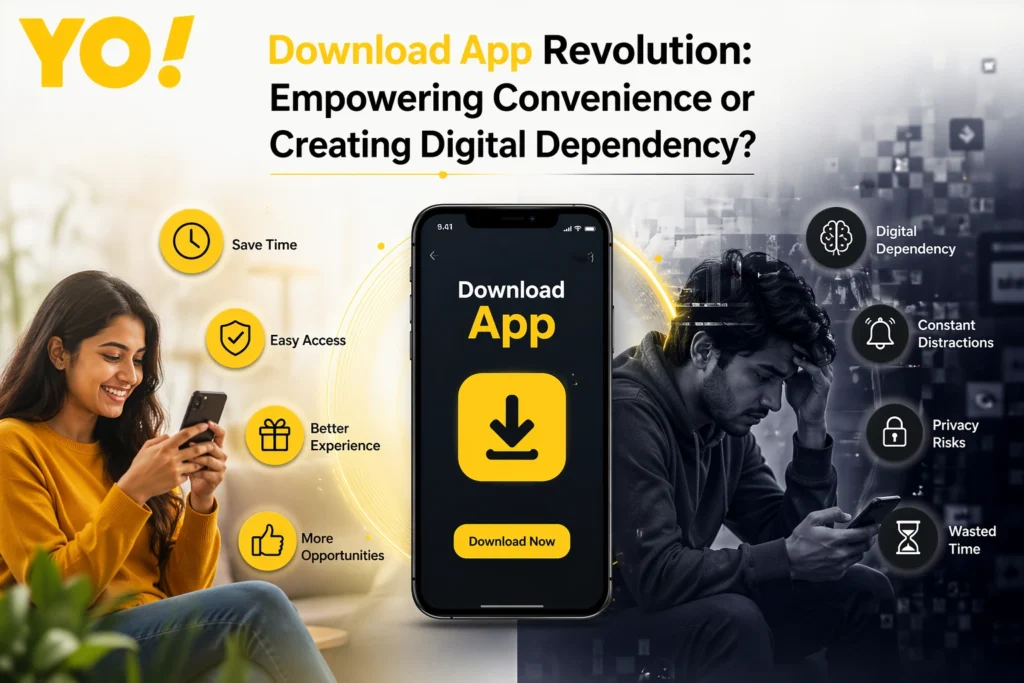
Download App: The Gateway to a Smarter—or More Complicated—Digital Life
The simple phrase “Download App” has quietly become one of the most powerful triggers in the modern digital world. It appears everywhere—on websites, advertisements, social media platforms, and even in everyday conversations. With just two words, it promises speed, ease, and instant access to solutions that once required time, effort, or physical presence. Whether it’s ordering food, booking a ride, managing finances, or learning a new skill, the ability to download an app has transformed how people interact with the world around them.
At first glance, the appeal is obvious. Apps are designed to simplify life. They eliminate barriers, reduce waiting time, and offer personalized experiences tailored to individual needs. Instead of navigating complex systems or processes, users can accomplish tasks with just a few taps on their smartphones. This convenience has made apps an essential part of daily routines, to the point where many people feel incomplete without them.
However, beneath this convenience lies a deeper and more complex reality. The act of choosing to “Download App” is not always as harmless as it seems. While apps provide efficiency and entertainment, they also introduce challenges that often go unnoticed. From data privacy concerns to increasing screen dependency, the digital tools that promise to enhance life can sometimes complicate it in unexpected ways.
One of the reasons the “Download App” culture has grown so rapidly is the psychological pull it creates. It offers instant gratification—an immediate solution to a problem or desire. Need something quickly? There’s an app for that. Want to stay connected? There’s an app for that too. This constant availability creates a sense of reliance, where users begin to depend on apps for even the simplest tasks. Over time, this dependency can reshape habits, attention spans, and even decision-making patterns.
Moreover, every app downloaded is not just a tool—it’s an entry point into a larger digital ecosystem. Many apps collect data, track behavior, and use algorithms to keep users engaged. While this leads to more personalized experiences, it also raises important questions about privacy, control, and how much users truly understand about the platforms they rely on.
Despite these concerns, it’s important to recognize that apps themselves are not inherently good or bad. Their impact depends largely on how they are used. When chosen wisely, apps can be powerful tools for growth, productivity, and connection. They can help individuals learn new skills, manage their time better, and access opportunities that were once out of reach.
This introduction sets the stage for a deeper exploration of the “Download App” phenomenon. It is not just about technology—it is about behavior, choices, and the evolving relationship between humans and digital tools. Understanding this balance is essential in a world where downloading an app is often just the beginning of a much larger experience.
The Evolution of Download App Culture in the Digital Era
The journey of the “Download App” phenomenon did not happen overnight. It evolved alongside the rapid advancement of mobile technology, internet accessibility, and changing user expectations. In the early days of mobile phones, functionality was limited—devices were primarily used for calls and text messages. But as smartphones entered the scene, they brought with them an entirely new digital ecosystem, one where apps became the core of the user experience.
The introduction of app stores marked a turning point. Suddenly, users had access to thousands—eventually millions—of applications designed to serve every possible need. From productivity tools and games to social networking and financial services, the range of options expanded at an astonishing pace. The phrase “Download App” became a universal invitation to explore this growing digital universe.
What made this shift so impactful was not just the availability of apps, but the ease with which they could be accessed. Unlike traditional software that required installation through complex steps, apps could be downloaded instantly with minimal effort. This simplicity removed barriers and encouraged users to experiment, explore, and integrate apps into their daily lives.
As technology continued to advance, apps became more sophisticated. They were no longer just tools—they became experiences. Features like real-time updates, cloud integration, artificial intelligence, and personalized recommendations transformed apps into intelligent systems capable of adapting to user behavior. This evolution made the “Download App” decision even more compelling, as users began to expect not just functionality, but seamless and engaging interactions.
Another major factor in the rise of app culture is the shift toward mobile-first lifestyles. Today, smartphones are often the primary device for accessing the internet, especially in developing regions. This has made apps the dominant medium for digital interaction. Businesses, recognizing this shift, began prioritizing mobile apps over traditional websites, often offering exclusive features or better performance through their apps to encourage downloads.
Social influence has also played a crucial role. Recommendations from friends, online reviews, influencer promotions, and trending apps all contribute to the decision-making process. When users see others benefiting from a particular app, they are more likely to follow suit. This creates a cycle of continuous growth, where popularity drives more downloads, and more downloads drive further popularity.
However, this rapid expansion has also led to an overcrowded app marketplace. With so many options available, users often face decision fatigue. Not every app delivers on its promises, and many end up being downloaded, used briefly, and then forgotten. This raises questions about sustainability and the true value of the apps being created.
Despite these challenges, the evolution of the “Download App” culture reflects a broader transformation in how people interact with technology. It highlights a shift toward immediacy, personalization, and constant connectivity. Apps are no longer just digital tools—they are extensions of daily life, shaping how people think, act, and communicate.
As we move forward, understanding this evolution is essential. It provides insight into why apps hold such a strong influence and how users can navigate this landscape more consciously. The next step is to explore the benefits that make apps so appealing—and why millions continue to download them every single day.
The Positive Impact of Download App on Modern Life
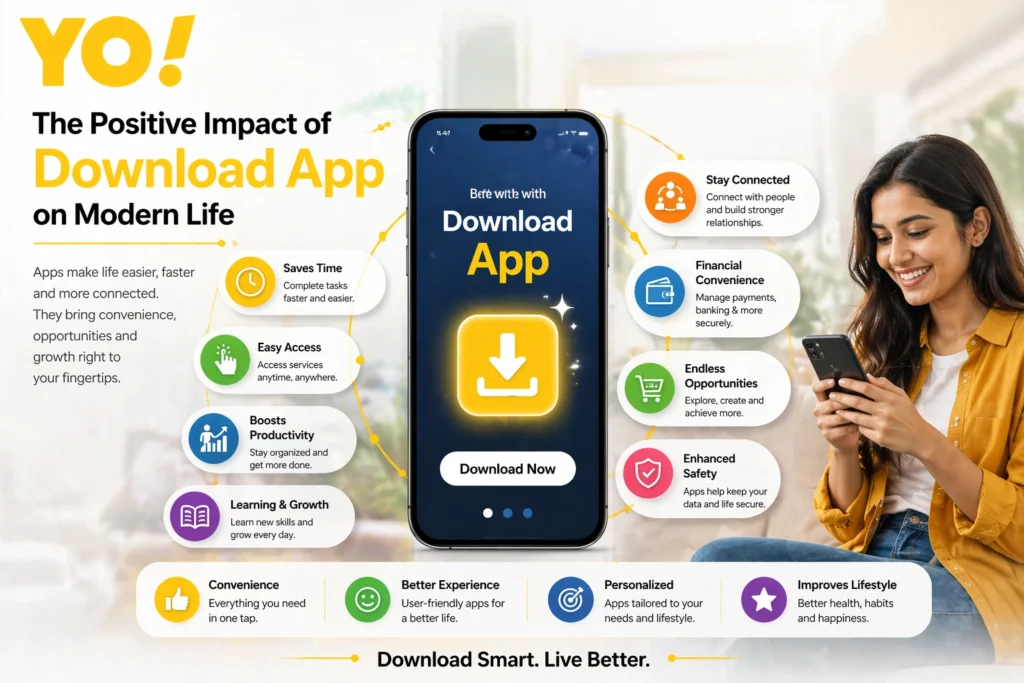
The widespread habit of choosing to “Download App” is not without reason. At its core, this digital behavior is driven by the immense value apps bring to everyday life. From simplifying routine tasks to opening doors for new opportunities, apps have reshaped how individuals function in both personal and professional environments.
One of the most significant advantages of downloading apps is the level of convenience they offer. Tasks that once required physical effort, long queues, or complex processes can now be completed within seconds. Whether it’s paying bills, booking tickets, ordering essentials, or accessing services, apps eliminate unnecessary friction. This shift has not only saved time but has also increased efficiency in ways that were unimaginable just a decade ago.
Another powerful benefit is accessibility. Apps have made services available to people regardless of their location. Someone living in a remote area can now access education, healthcare advice, banking services, and even global marketplaces through a smartphone. The simple act to “Download App” bridges gaps that once limited access to essential resources, making opportunities more inclusive and widespread.
Personalization is another key strength of modern apps. Unlike traditional systems, apps are designed to adapt to user behavior. They learn preferences, track patterns, and provide recommendations tailored to individual needs. This creates a more engaging and relevant experience, where users feel understood and valued. From personalized content feeds to customized shopping suggestions, apps enhance satisfaction by delivering what users actually want.
Apps have also played a crucial role in boosting productivity. With tools for task management, scheduling, communication, and collaboration, individuals can organize their lives more effectively. Professionals can manage projects on the go, students can access study materials anytime, and teams can collaborate in real time regardless of geographical boundaries. The decision to “Download App” often leads to better time management and improved outcomes.
In addition to productivity, apps have revolutionized learning and self-development. Educational apps provide access to knowledge in a flexible and user-friendly manner. Users can learn new skills, explore different subjects, and improve themselves at their own pace. This has shifted education from a rigid structure to a more dynamic and accessible experience, empowering individuals to take control of their growth.
The entertainment industry has also been transformed by apps. Music, movies, games, and social content are now available on demand. Instead of relying on traditional media, users can explore endless options tailored to their interests. This has created a more interactive and engaging form of entertainment, where users are not just consumers but active participants.
Furthermore, apps have enabled stronger connections between people. Communication apps allow instant interaction across the globe, breaking down geographical barriers. Friends, families, and colleagues can stay connected in real time, sharing moments and collaborating effortlessly. The ability to “Download App” has turned communication into an instant and continuous experience.
From a business perspective, apps have opened new avenues for growth. Companies can interact directly with their customers, offer personalized services, and build long-term relationships. Small businesses, in particular, benefit from this accessibility, as apps provide them with a platform to compete on a larger scale without requiring massive resources.
Ultimately, the positive impact of the “Download App” culture lies in its ability to empower users. It gives individuals control, flexibility, and access to tools that enhance their daily lives. However, while these benefits are undeniable, it is equally important to examine the challenges that come with this digital transformation—because every powerful tool comes with its own set of risks.
The Hidden Downsides of the Download App Trend
While the decision to “Download App” often feels like a step toward convenience and efficiency, it also brings along a set of challenges that are easy to overlook. As apps become more deeply integrated into everyday life, their negative effects are becoming increasingly visible. What starts as a helpful tool can gradually turn into a source of distraction, dependency, and even risk if not managed carefully.
One of the most concerning issues is digital addiction. Many apps are intentionally designed to keep users engaged for as long as possible. Features like endless scrolling, push notifications, streaks, and reward systems are not случайные—they are carefully crafted to trigger psychological responses. Each notification creates a sense of urgency, and every small interaction offers a burst of satisfaction. Over time, this can lead to compulsive usage, where users find themselves checking apps repeatedly without any real purpose. The simple choice to “Download App” can slowly evolve into a habit that is difficult to control.
Another major downside is the growing concern around privacy and data security. When users download apps, they are often required to grant permissions—access to contacts, location, camera, storage, and more. In many cases, these permissions are accepted without fully understanding what they entail. This opens the door to potential misuse of personal data. Some apps track user behavior extensively, collecting information that can be used for targeted advertising or even shared with third parties. Data breaches and leaks further highlight how vulnerable personal information can be in the digital ecosystem.
Storage and device performance are also affected by excessive app downloads. Smartphones have limited space, and installing too many apps can lead to slower performance, reduced battery life, and frequent crashes. Many users download apps impulsively, use them briefly, and then forget about them. These unused apps continue to occupy storage and may even run background processes, quietly consuming system resources.
Hidden costs present another challenge. While many apps are free to download, they often rely on monetization strategies such as in-app purchases, subscriptions, and advertisements. Users may initially be attracted by the “free” label, only to realize later that essential features require payment. In some cases, apps use persuasive techniques to encourage spending, making it easy for users to exceed their intended budget without realizing it.
The impact on mental well-being is another area of concern. Constant exposure to notifications, social comparisons, and digital content can lead to stress, anxiety, and reduced focus. Social apps, in particular, can create unrealistic expectations and a constant need for validation. As users spend more time in digital environments, they may experience a disconnect from real-world interactions and experiences.
Additionally, the overwhelming number of apps available today can lead to decision fatigue. With countless options for every need, users often struggle to choose the right app. This can result in downloading multiple similar apps, none of which are fully utilized. The abundance of choices, instead of simplifying life, can sometimes make it more complicated.
Another subtle yet important issue is the dependency on technology for basic tasks. As people rely more on apps for navigation, communication, calculations, and even reminders, they may gradually lose certain practical skills. The convenience of apps, while beneficial, can reduce the need for independent thinking and problem-solving in everyday situations.
Despite these downsides, it is important to remember that the problem is not the apps themselves, but how they are used. The “Download App” culture becomes problematic only when it is driven by impulse rather than intention. Recognizing these hidden challenges is the first step toward developing a healthier relationship with technology.
As we continue to explore this topic, the next section will focus on why the “Download App” message is so powerful and persuasive—and how it influences user behavior in ways we often don’t even realize.
Why “Download App” Is So Powerful and Persuasive
The phrase “Download App” may seem simple, but its impact is deeply rooted in human psychology and modern digital behavior. It is not just a technical instruction—it is a carefully crafted trigger that influences decisions, shapes habits, and drives action. Understanding why this phrase is so persuasive helps explain why millions of users download apps every day, often without much thought.
At the heart of its power lies the promise of instant gratification. In a fast-paced world where people expect quick results, the idea of solving a problem with just a few taps is incredibly appealing. Whether it’s ordering food, booking a service, or accessing entertainment, the “Download App” message suggests that everything you need is immediately available. This sense of urgency and ease reduces hesitation and encourages quick decisions.
Another factor that makes this phrase effective is its simplicity. It does not overwhelm the user with information or choices. Instead, it offers a clear and direct action. In a digital environment filled with distractions, simplicity stands out. Users are more likely to respond to a straightforward instruction than to complex explanations. “Download App” removes friction and makes the next step obvious.
Social influence also plays a major role in its persuasiveness. People are naturally influenced by what others are doing. When an app becomes popular or widely used, it creates a sense of trust and credibility. Seeing friends, influencers, or large numbers of users engaging with an app increases the likelihood of downloading it. The phrase “Download App” then becomes more than a suggestion—it feels like a recommendation backed by a community.
The fear of missing out, commonly known as FOMO, further strengthens this effect. Many apps promote exclusive features, limited-time offers, or trending experiences. Users may feel that if they do not act quickly, they will miss something valuable or exciting. This emotional trigger can push people to download apps even when they are unsure of their actual need for them.
Another powerful element is the perception of value. Apps are often marketed as tools that improve life—saving time, increasing productivity, or providing entertainment. Even when an app is free, it creates the impression that users are gaining something beneficial at no cost. This perceived value makes the decision to “Download App” feel low-risk and high-reward.
Design and user experience also contribute to this persuasive effect. App stores and promotional materials are carefully designed to highlight positive reviews, high ratings, and appealing visuals. These elements build trust and create a sense of reliability. When users see that an app is well-rated and widely downloaded, they are more likely to believe it is worth their time.
In addition, many apps use psychological reinforcement techniques to maintain engagement after the download. Notifications, rewards, and personalized content keep users coming back. This creates a cycle where the initial decision to download leads to ongoing usage, often turning into a habit.
However, this persuasive power also raises important questions. When decisions are influenced by psychological triggers rather than genuine need, users may end up downloading apps that do not add real value to their lives. This highlights the importance of awareness and intentional decision-making.
The strength of the “Download App” message lies in its ability to combine simplicity, emotion, and perceived benefit into a single action. It speaks directly to the modern desire for speed, convenience, and connection. But recognizing its influence allows users to pause, think, and make more informed choices.
As we move forward, the focus shifts to how users can take control of their digital habits—using apps as tools for growth rather than becoming controlled by them.
Finding Balance: Using Apps Without Losing Control
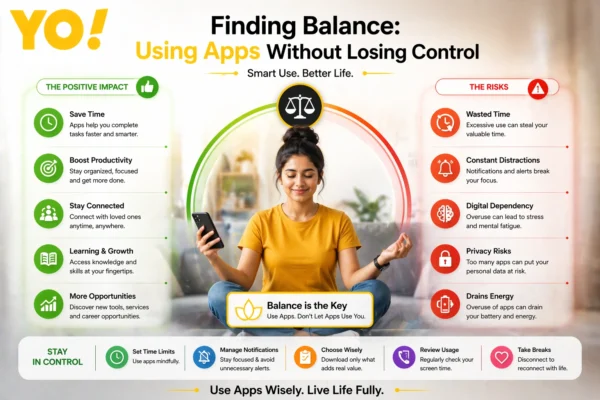
In a world where “Download App” has become second nature, the real challenge is not avoiding apps altogether—it is learning how to use them wisely. Apps are powerful tools, but like any tool, their impact depends on how they are used. Striking a balance between benefiting from apps and maintaining control over digital habits is essential for a healthier and more productive lifestyle.
The first step toward balance is awareness. Many users download apps impulsively, driven by curiosity, trends, or momentary needs. However, taking a moment to pause and evaluate the purpose of an app can make a significant difference. Before choosing to “Download App,” it is helpful to ask simple questions: Does this app truly add value to my life? Will I use it regularly? Is there already an existing tool that serves the same purpose? This small shift in thinking can prevent unnecessary downloads and reduce digital clutter.
Another important aspect is managing time spent on apps. While apps are designed to save time, they can also consume it if used without limits. Setting boundaries—such as specific usage times or daily limits—helps maintain control. Many smartphones now offer built-in features that track screen time and allow users to set restrictions. Using these tools can create a more conscious relationship with app usage.
Decluttering digital space is equally important. Just as physical spaces require cleaning and organization, digital devices also benefit from regular maintenance. Deleting unused or rarely used apps not only frees up storage but also reduces distractions. A streamlined device with only essential apps makes it easier to focus and improves overall performance.
Privacy awareness is another key factor in maintaining balance. Users should be mindful of the permissions they grant when they download apps. Reviewing app settings, limiting unnecessary access, and staying informed about data usage can help protect personal information. Being selective about which apps to trust is a crucial part of responsible digital behavior.
Equally important is the need to reconnect with the offline world. While apps provide convenience and entertainment, real-life experiences offer depth and meaning that digital interactions cannot fully replace. Spending time with family, engaging in hobbies, or simply taking a break from screens can improve mental well-being and restore focus. Balance is not about eliminating apps—it is about ensuring they do not replace real-world connections.
Developing intentional habits can also transform how apps are used. Instead of mindlessly opening apps out of habit, users can create purposeful routines. For example, using educational apps during specific hours or limiting social media usage to certain times of the day. This approach shifts app usage from passive consumption to active engagement.
Another effective strategy is prioritization. Not all apps are equally valuable. Identifying which apps truly contribute to productivity, learning, or well-being allows users to focus on what matters most. This reduces the tendency to jump between multiple apps and helps create a more meaningful digital experience.
Ultimately, the goal is not to resist technology but to take control of it. The phrase “Download App” should represent a conscious decision rather than an automatic reaction. When users approach apps with intention, they can enjoy the benefits without falling into the traps of overuse and dependency.
As the digital landscape continues to evolve, this balance will become even more important. The final step is to reflect on the broader impact of apps and understand how they are shaping the future of human behavior and interaction.
The Future of Download App: Smarter Technology, Smarter Choices
As technology continues to evolve, the meaning behind “Download App” is also beginning to change. What started as a simple action—installing a tool on a device—is gradually transforming into a more intelligent, seamless, and integrated experience. The future of apps is not just about downloading more, but about using fewer, smarter, and more meaningful digital solutions.
One of the most significant changes on the horizon is the rise of artificial intelligence in apps. Future applications will not just respond to user input—they will anticipate needs. Instead of searching for solutions, users may receive suggestions before they even realize they need them. This predictive behavior will make apps more efficient, but it will also raise new questions about control and decision-making. When technology starts thinking ahead for users, the line between assistance and dependency becomes even thinner.
Another emerging trend is the concept of super apps. Rather than downloading multiple apps for different purposes, users may rely on a single platform that offers a wide range of services—communication, payments, shopping, entertainment, and more—all in one place. This reduces the need to constantly “Download App” for every new requirement, simplifying the digital experience while also concentrating power within fewer platforms.
The way apps are accessed may also change. With advancements in cloud technology and web-based applications, the traditional download model could become less dominant. Users might interact with apps instantly through browsers or lightweight interfaces without needing to install them permanently on their devices. This shift would address issues like storage limitations and device performance, making digital access more flexible.
Privacy and data security are expected to play a much larger role in the future of apps. As users become more aware of how their data is used, there will be increased demand for transparency and control. Developers will need to build trust by offering clearer policies, stronger protections, and more user-friendly privacy settings. The decision to “Download App” will likely involve greater consideration of how personal information is handled.
Minimalism in digital behavior is another trend that is gaining attention. Instead of filling devices with dozens of apps, users are beginning to prefer a more focused approach—keeping only the apps that truly add value. This shift reflects a growing awareness of digital well-being and the desire to reduce unnecessary distractions. In the future, success may not be measured by how many apps are downloaded, but by how effectively they are used.
Voice technology and wearable devices are also set to influence the app ecosystem. Interactions may move beyond screens, allowing users to access app functionalities through voice commands or smart devices. This will further integrate technology into daily life, making it more natural and less intrusive.
Despite all these advancements, one thing will remain constant: the importance of user choice. No matter how advanced apps become, the responsibility of deciding when and why to use them will always lie with the user. The phrase “Download App” may evolve, but the decision behind it will continue to shape individual experiences.
The future is not about rejecting apps—it is about redefining the relationship with them. Smarter technology must be matched with smarter choices. By staying aware, intentional, and informed, users can ensure that apps remain tools of empowerment rather than sources of dependency.
In the end, the true power of the digital age does not come from how many apps we download, but from how wisely we choose to use them.
Download App Strategy: Making Smarter Decisions in a Click-Driven World
In today’s fast-moving digital environment, the phrase “Download App” is no longer just a suggestion—it has become a constant digital impulse. Every platform, service, and brand encourages users to download app solutions for faster access, better experience, and exclusive features. But with this growing pressure to download app after app, users must develop a smarter strategy to avoid digital overload while still enjoying the benefits.
When users repeatedly see “Download App” prompts, it creates a sense of urgency and habit. Many people download app options without thinking twice, often ending up with dozens of unused applications. This pattern highlights the need for a conscious download app strategy—one that focuses on value rather than volume.
The first principle of a strong download app approach is intentional selection. Instead of reacting to every “Download App” message, users should evaluate the purpose behind each download. Not every app is essential. A mindful decision to download app tools that truly solve problems can significantly improve digital efficiency. This reduces clutter and ensures that every installed app serves a clear function.
Another important factor is understanding the lifecycle of a download app decision. Most users download app platforms with excitement, use them briefly, and then abandon them. This creates a cycle of unnecessary consumption. Breaking this cycle requires users to ask: Will I still use this app after a week or a month? If the answer is uncertain, it may be better to avoid the download app action altogether.
The role of optimization is also crucial. A well-managed device is not the one with the most apps, but the one with the right apps. Regularly reviewing and removing unused apps helps maintain performance and clarity. Every time you download app content, it should contribute positively to your digital environment—not slow it down or distract you.
Security awareness must also be part of any download app strategy. Before you download app software, it is important to check reviews, permissions, and developer credibility. Blindly trusting every “Download App” prompt can expose users to risks such as data misuse or malware. A smart user treats every download app decision as a matter of digital safety, not just convenience.
Financial awareness is equally important. Many users download app platforms assuming they are free, only to encounter hidden costs later. Subscriptions, premium features, and in-app purchases can quickly add up. A responsible download app habit includes understanding the full cost of using an app before committing to it.
Another key aspect is controlling usage after you download app tools. The decision does not end at installation—it continues with how the app is used. Setting limits, disabling unnecessary notifications, and avoiding constant checking can help maintain control. Without these boundaries, even a useful download app can become a source of distraction.
The concept of “less but better” is becoming increasingly relevant in the download app culture. Instead of downloading multiple apps for similar purposes, users can focus on one or two high-quality options. This simplifies the digital experience and reduces confusion. A focused download app approach leads to better productivity and less mental clutter.
It is also important to recognize the emotional triggers behind the urge to download app platforms. Curiosity, boredom, social influence, and fear of missing out often drive unnecessary downloads. By identifying these triggers, users can pause and make more rational decisions instead of acting on impulse.
Ultimately, the power of the “Download App” decision lies in control. Users who approach it with awareness, discipline, and purpose can turn apps into powerful tools for growth and efficiency. On the other hand, those who download app options without thinking may find themselves overwhelmed by digital noise.
In a world where every click invites you to download app solutions, the smartest move is not to stop downloading—but to start choosing wisely.
Download App Conclusion: Power Lies in the Right Choice
The phrase “Download App” may appear simple, but its impact on modern life is profound. It represents more than just a digital action—it reflects how people think, decide, and interact with technology every single day. From convenience and productivity to distraction and dependency, the journey that begins when you download app solutions can shape your digital lifestyle in powerful ways.
Throughout this discussion, one thing becomes clear: the decision to download app tools is not just about technology—it is about behavior. Every time users see a “Download App” prompt, they are presented with a choice. That choice can either enhance their lives or add unnecessary complexity. The difference lies in awareness and intention.
On the positive side, when users download app platforms wisely, they unlock efficiency, accessibility, and opportunities for growth. A well-chosen app can save time, improve organization, and even open doors to learning and income. In this sense, the ability to download app tools is one of the greatest advantages of the digital age.
However, the negative side cannot be ignored. When users download app options without thinking, they risk falling into patterns of overuse, distraction, and digital clutter. Too many apps can lead to reduced focus, wasted time, and even mental fatigue. What was meant to simplify life can end up making it more complicated.
This is why the future of the “Download App” culture depends not only on technology but also on user responsibility. As apps become smarter and more integrated into daily life, the need for conscious decision-making will only grow stronger. Users must learn to pause before they download app solutions and ask whether the app truly adds value.
The idea is not to avoid apps, but to redefine how they are used. Instead of reacting to every “Download App” message, users can adopt a more selective approach. Choosing quality over quantity, purpose over impulse, and control over habit can transform the entire digital experience.
Another important realization is that the power of apps lies in balance. Technology should support life, not dominate it. When users download app tools with clear intention and maintain control over their usage, they can enjoy the benefits without falling into the traps. This balance is the key to a healthy relationship with technology.
As the digital world continues to expand, the phrase “Download App” will remain a central part of everyday interactions. It will continue to influence decisions, shape habits, and define user experiences. But ultimately, the true power does not lie in the apps themselves—it lies in the choices users make.
In the end, every “Download App” moment is an opportunity. An opportunity to simplify life—or complicate it. To grow—or to get distracted. To take control—or to lose it.
The smartest users are not the ones who download the most apps, but the ones who understand why they download app solutions in the first place—and use them with purpose.
Frequently Asked Questions (FAQs) About Download App
1. What does “Download App” actually mean?
“Download App” refers to the process of installing a mobile or software application on your device, usually from an app store or official website. When you download app tools, you gain access to specific services, features, or functionalities designed to make tasks easier and faster.
2. Is it safe to download app from any website?
No, it is not always safe to download app files from unknown or untrusted sources. Users should always download app applications from official platforms or verified websites to avoid malware, data theft, or security risks. Checking reviews and permissions before you download app is a smart practice.
3. Why do apps ask for permissions after I download app?
When you download app software, it may request permissions like access to your camera, contacts, or location. These permissions are often required for the app to function properly. However, users should only allow necessary permissions and avoid granting access that seems unrelated to the app’s purpose.
4. How many apps should I download app on my phone?
There is no fixed number, but it is better to download app options that are truly useful. Having too many apps can slow down your device and create unnecessary distractions. A focused approach—where you download app tools that add value—is always more effective.
5. Can I earn money after I download app platforms?
Yes, some apps offer earning opportunities such as gaming, freelancing, trading, or rewards. For example, you can explore options through this internal platform:
👉 yobookvip
Additionally, external platforms like 👉 dream11global also provide opportunities where users can engage and potentially earn based on their skills and participation. Always research before you download app earning platforms.
6. Why do I feel addicted after I download app?
Many apps are designed to keep users engaged through notifications, rewards, and continuous content. This can lead to habit formation and overuse. If you feel addicted after you download app tools, consider setting time limits and disabling unnecessary notifications.
7. Do apps slow down my phone after I download app too many times?
Yes, downloading too many apps can affect your device’s performance. When you download app files in large numbers, they consume storage, battery, and processing power. Regularly deleting unused apps helps maintain speed and efficiency.
8. Are free apps really free to download app and use?
Many apps are free to download app initially, but they may include ads, in-app purchases, or subscription models. Users should always review the pricing structure before committing to any app to avoid unexpected costs.
9. How can I choose the best app before I download app?
Before you download app, consider the following:
- Check ratings and reviews
- Verify the developer
- Review permissions
- Understand features and pricing
This ensures that your decision to download app is informed and beneficial.
10. What is the best way to manage apps after I download app them?
After you download app tools, managing them is key. Organize apps into folders, remove unused ones, and monitor usage. A clean and organized device helps you stay productive and reduces digital clutter.
These FAQs highlight that while the decision to download app is easy, using apps wisely requires awareness and smart choices
 Get WhatsApp ID Now